
Using Insights Discovery® to Build Team Norms That Actually Stick
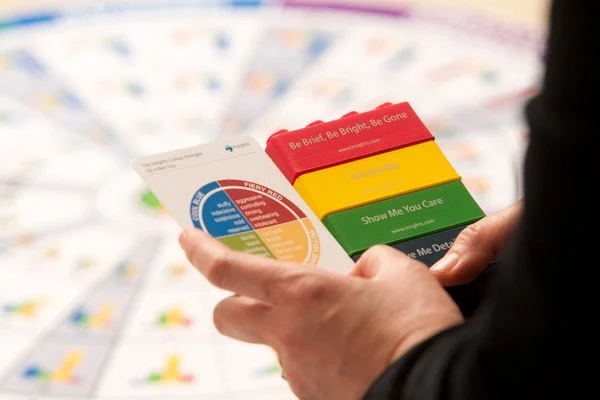
HR and L&D leaders often invest in team development, then watch teams slip back into old habits. Meetings drift, decisions slow down, and friction returns. The missing piece is usually not skill. It is shared norms.
Team norms are the day-to-day agreements that shape how work happens. How decisions get made. How conflict gets handled. How feedback gets given. Without explicit norms, teams default to individual preferences. That is where style mismatch turns into tension.
Insights Discovery® can help because it gives teams a neutral, nonjudgmental language for differences. It turns “you’re difficult” into “we have different preferences.” Then the team can design working agreements that respect those differences.
Why Norms Fail to Stick
Most norms fail for predictable reasons:
they are too general, like “communicate more”
they are not tied to real moments, like decisions, deadlines, and reviews
they are not revisited, so the team does not reinforce them
they are not translated into behaviors, so people interpret them differently
To stick, norms must be specific. They must show up inside real workflows.
What Insights Discovery® Adds
Insights Discovery® helps teams:
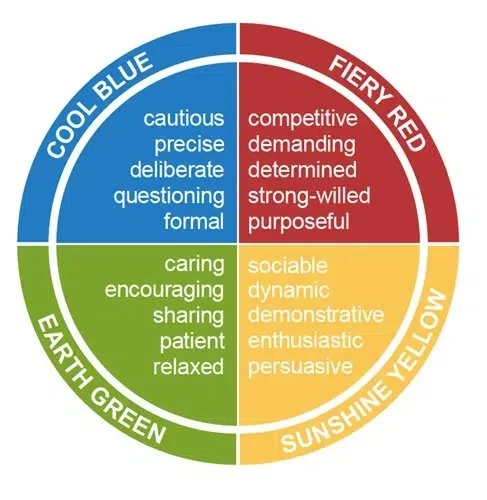
talk about differences without blame
name what each person needs to do their best work
predict friction points before they explode
build agreements that are practical, not aspirational
The key is using Insights to design the way the team works, not to label people.
A Simple Process HR and L&D Leaders Can Run
Use this flow in a team session, offsite, or manager cohort.
Step 1. Identify the moments that matter
Ask the team to pick 3 to 5 recurring moments where friction happens:
decision making
meetings
handoffs and collaboration
feedback
deadlines and escalation
Step 2. Name preferences, not personalities
Prompt: “In this moment, what do you need from others to do your best work?” Capture needs in neutral language. For example:
time to think before responding
directness and speed
detail and clarity on assumptions
space to discuss options out loud
an explicit decision owner
Step 3. Turn preferences into working agreements
Now write agreements as observable behaviors. Instead of “be clear,” write:
“Every decision meeting starts with a stated decision and ends with an owner and date.”
Instead of “respect time,” write:
“We timebox discussion and use a parking lot for items that are not decision critical.”
Step 4. Decide how to handle mismatch in the moment
Give the team a shared phrase for when tension rises:
“Let’s pause. Are we dealing with a style mismatch or a priority mismatch?”
Then choose a reset tool:
two minutes of silent writing
a quick round. one sentence per person
restate the decision and constraints
Step 5. Reinforce weekly
Norms become culture through repetition. Pick one reinforcement ritual:
start of staff meeting. one minute check. “Any norm we need today?”
end of project sync. “What should we keep, stop, start?”
monthly retro. “Which agreement is slipping and why?”
Six Working Agreements That Reduce Friction Across Styles
These six cover most of the friction points HR and L&D hear about.
Decision clarity. We name the decision, options, and the decision owner.
Prep and context. We send pre reads with a one sentence ask.
Meeting balance. We include both reflection time and discussion time.
Conflict hygiene. We challenge ideas, not people, and restate shared goals.
Feedback norms. We agree on timing, channel, and how direct feedback should be.
Response expectations. We set response time and escalation paths for urgent items.
What This Unlocks for HR and L&D Leaders
When teams have shared norms, you will see:
fewer interpersonal flare ups
faster decisions
better cross functional collaboration
more inclusive meetings
higher trust because expectations are explicit
The goal is not to eliminate differences. It is to make differences workable.
If you want help using Insights Discovery® to build working agreements that stick, Claria Partners can facilitate a team session or integrate this into Manager Development programs. Message us to explore options.