
Scientific Communication Training for Biotech Scientists and Emerging Life Sciences Teams
A two-part coached program that helps scientists turn posters and presentations into clear, audience first stories that spark dialogue, strengthen confidence, and improve conference and internal review outcomes.
Emerging Life Sciences companies rely on scientists who can explain complex work to mixed audiences. Conference attendees, cross functional partners, scientific leadership, and non-expert stakeholders. When the story is not audience first, strong science still gets misunderstood. That leads to fewer high value conversations at posters, slower alignment in internal reviews, and more rework after meetings. Claria Partners created Scientific Communication and Storytelling to close that gap through scientific communication training that integrates narrative, design, and coached delivery.
Why scientific communication training matters in emerging biotech
In biotech, the work is complex and the timelines are real. Scientists are expected to communicate in settings where attention is limited and the audience is diverse.
That shows up in a few common moments:
conference poster sessions where people scan quickly and move on
internal program reviews where leaders need the point, the implication, and the next decision
cross functional meetings where dependencies and tradeoffs must be understood across CMC, clinical, quality, regulatory, and research
external conversations where scientific credibility and clarity both matter
In these settings, precision is necessary but not sufficient. Scientists also need a way to make the work understandable, memorable, and discussable. Scientific Communication and Storytelling is designed to build that capability.
What scientists learn in Scientific Communication and Storytelling
This program is not presentation polish. It is a practical, coached experience that helps scientists communicate their work with clarity, confidence, and influence.
Scientists learn to:
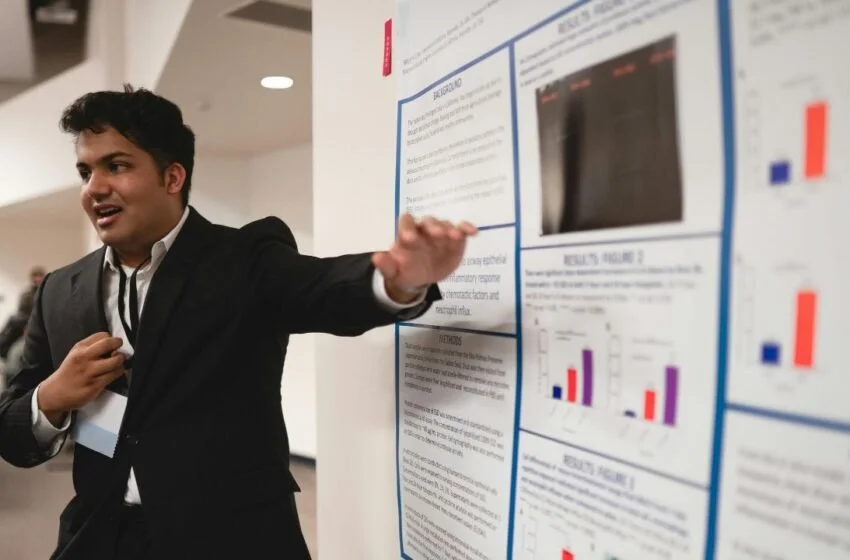
Design their poster or slides for the audience they actually have
Structure a clear narrative that highlights significance, what is new, and what matters now
Deliver the story in a conversational way that invites questions
Stay grounded when interrupted and respond effectively in the moment
Communicate with scientific rigor while reducing cognitive overload for the listener
The goal is straightforward. Better understanding leads to better conversations, faster alignment, and greater impact.
Audience first storytelling for posters, presentations, and internal reviews
Most scientists are trained to present information in a comprehensive way. But most audiences do not experience information that way. They experience it as a sequence. What is this about. Why does it matter. What did you find. What does it mean. What should happen next.
We teach an audience first approach that makes it easier for people to follow the science without oversimplifying it.
A simple structure that works well across posters and talks is:
Situation. What is the context and why this work exists
Complication. What is the problem, gap, or constraint
Question. What is the key question you set out to answer
Resolution. What you found and what it implies
This structure helps scientists connect the data to the decision. It also helps audiences ask better questions.
The two-part coached format and how cohort feedback works
Scientific Communication and Storytelling is delivered as a two-part workshop with time between sessions for iteration. Scientists do not just learn concepts. They apply them to a real poster or presentation, revise, then practice again.
Part 1. Design and narrative clarity
Participants submit a draft poster or presentation in advance. During the session, they improve:
visual hierarchy and readability
flow and structure
narrative clarity and significance
what to keep, what to simplify, and what to move to backup
Part 2. Pitch and conversation practice
Participants return with an improved version and practice delivering a short pitch. They learn how to:
open with clarity and purpose
speak conversationally rather than recite
pause and pivot when questions come early
handle unexpected questions with confidence
close with a clear takeaway
A key differentiator is the cohort-based feedback model. Scientists receive input from a scientific communication coach plus peers who act as realistic audience members. That combination produces practical suggestions and reveals what a listener actually hears, not what the speaker intended.
What to expect as deliverables after the program
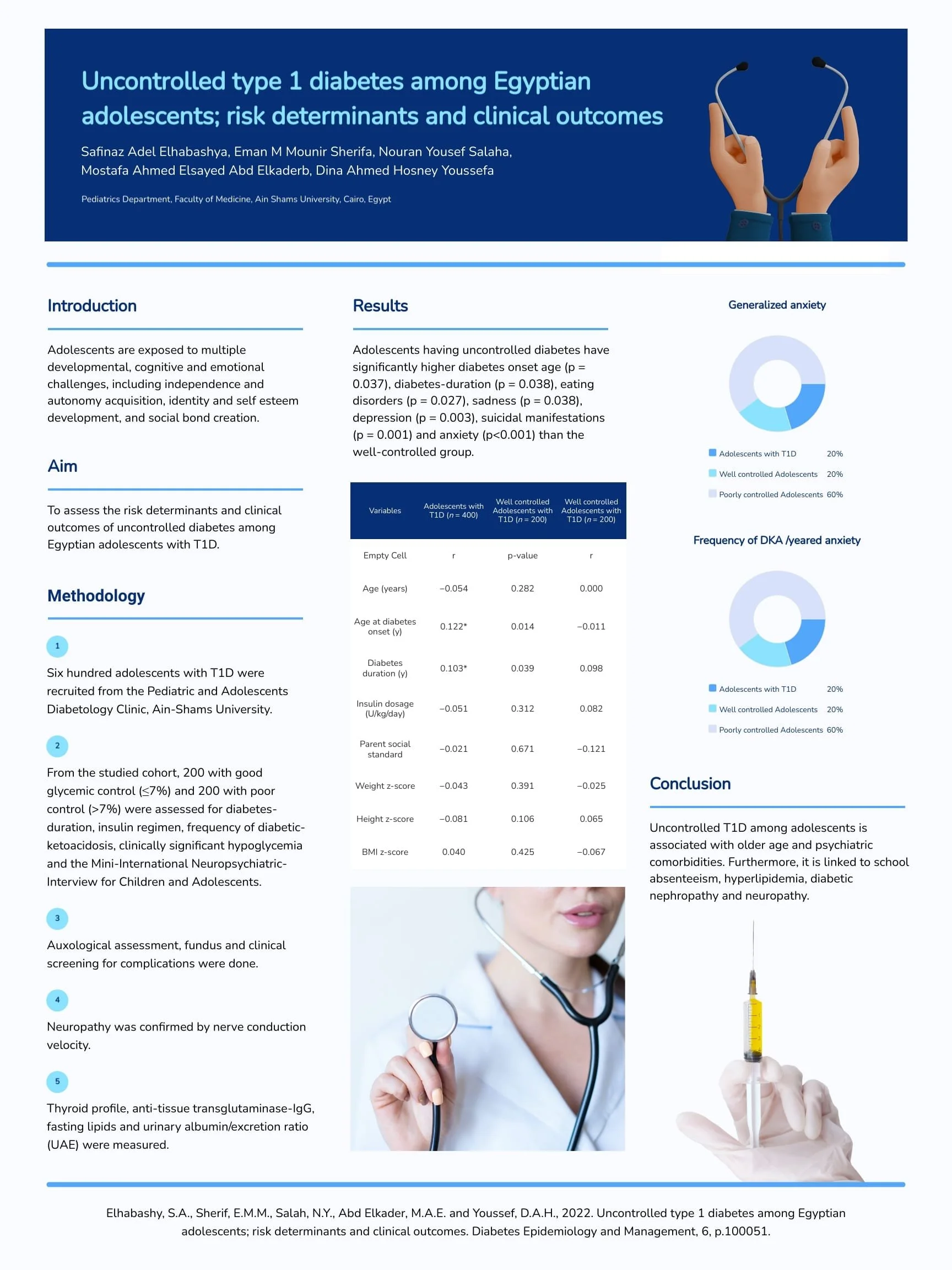
Scientists typically leave with:
a clearer poster or deck designed for accessibility and fast understanding
a short, repeatable pitch that makes the story easy to follow
improved confidence in Q and A and spontaneous conversation
a set of practical habits for future posters, talks, and internal reviews
For many scientists, the biggest shift is that communication becomes less of a performance and more of a dialogue. That is where trust and influence get built.
Who this is for and how HR and L&D teams use it
This program is designed for scientists and technical teams in emerging Life Sciences companies, including:
early to mid-career scientists preparing for conferences
translational and applied research teams presenting to non-expert stakeholders
scientists preparing for internal program reviews, leadership updates, or cross functional forums
technical leaders who want their work to land with clarity and confidence
For HR and L&D teams, Scientific Communication and Storytelling supports:
conference readiness and stronger external presence
clearer cross functional communication and alignment
development pathways for scientists who need more visibility and influence
a shared language for what good scientific communication looks like
We offer two formats.
In-house cohorts for a team at one company
Open enrollment cohorts across companies with clear confidentiality expectations
Next steps for a pilot cohort in 2026
If you support biotech scientists who are preparing for conferences or high stakes internal presentations, we would love to talk about a pilot cohort. Contact us to explore Scientific Communication and Storytelling for your scientists and technical teams.